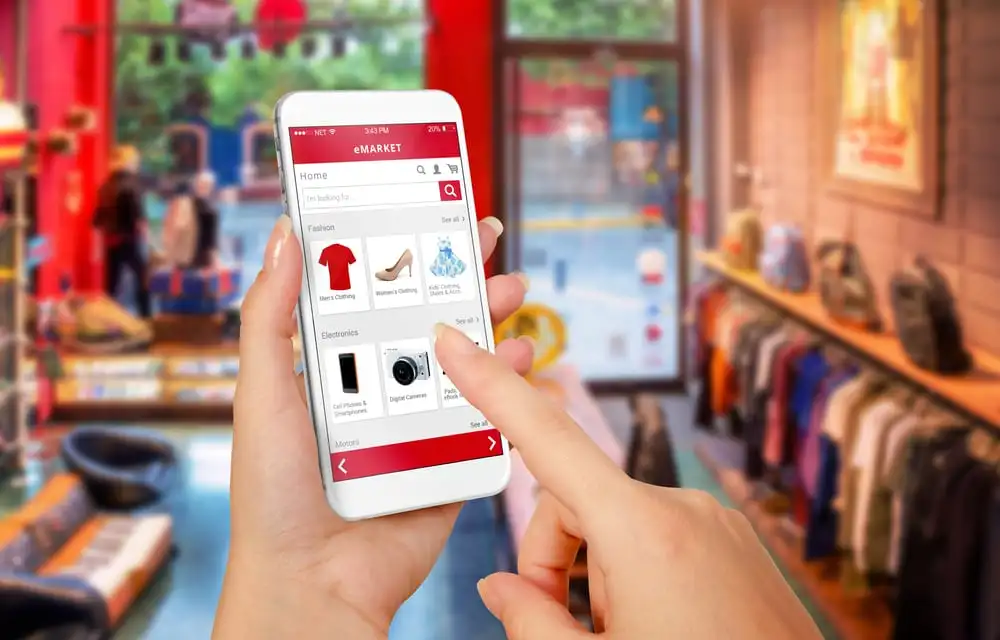
Mobile shopping has rapidly transformed how people browse, compare, and purchase products. With smartphones becoming central to daily life, consumers now expect fast, convenient access to online stores anytime and anywhere. What once required a desktop computer can now be completed in minutes from a mobile device 📱
As technology continues to evolve, mobile commerce is reshaping both customer behavior and retail strategies across the world.
What Is Mobile Shopping?
Mobile shopping refers to purchasing products or services through smartphones and tablets using websites or dedicated shopping apps.
It typically includes:
- Browsing products
- Comparing prices
- Reading reviews
- Completing secure payments
- Tracking deliveries
This convenience has made mobile devices the preferred shopping tool for millions of users globally.
Why Mobile Shopping Has Grown So Quickly
Several factors have accelerated the adoption of mobile commerce in recent years.
Key reasons behind its growth include:
- Increased smartphone availability
- Faster internet connectivity
- Secure mobile payment systems
- User-friendly shopping apps
- Personalized recommendations
Together, these improvements make mobile shopping faster and more accessible than ever before.
The Role of Shopping Apps in Consumer Behavior
Dedicated shopping apps provide smoother experiences compared to traditional websites.
Benefits of shopping apps include:
- Faster loading speeds
- Saved payment details
- Personalized product suggestions
- Exclusive app-only discounts
- Real-time order tracking
These features encourage repeat purchases and stronger brand loyalty.
How Mobile Payments Made Shopping Easier
Secure payment technology has played a major role in mobile shopping adoption.
Popular mobile payment advantages include:
- Quick checkout processes
- Reduced need for physical cards
- Biometric authentication support
- Contactless transaction options
As trust in digital payments increases, mobile purchases continue to rise steadily 💳
Social Media’s Influence on Mobile Shopping Trends
Social platforms now function as powerful shopping discovery tools.
Consumers frequently:
- Discover products through short videos
- Explore influencer recommendations
- Click direct purchase links
- Save items for later buying decisions
This blend of entertainment and shopping has created a seamless mobile-first buying experience.
Convenience as the Primary Driver of Mobile Commerce
Convenience remains the strongest reason people prefer mobile shopping today.
Mobile shopping allows users to:
- Shop during travel
- Compare prices instantly
- Purchase products within minutes
- Receive personalized notifications
These advantages make smartphones the most flexible retail platform available.
How Retailers Are Adapting to Mobile Shopping Growth
Businesses are redesigning their strategies to match mobile-first expectations.
Retail improvements include:
- Mobile-optimized websites
- One-click checkout systems
- Faster delivery options
- AI-powered product recommendations
- App-exclusive loyalty rewards
Retailers that prioritize mobile usability often see higher engagement and conversion rates.
Security Improvements Strengthening User Confidence
Early concerns about online safety once limited mobile purchases. Today, stronger protection tools have changed that.
Modern mobile shopping security features include:
- Encrypted payment gateways
- Fingerprint authentication
- Face recognition login
- Two-step verification systems
These protections help users shop with greater confidence and peace of mind 🔐
The Future of Mobile Shopping
Mobile commerce is expected to expand even further as technology improves.
Emerging developments likely to shape the future include:
- Voice-based shopping assistants
- Augmented reality product previews
- AI-powered personalization
- Faster delivery tracking systems
These innovations will continue making mobile shopping smarter and more interactive.
Tips for a Better Mobile Shopping Experience
A few simple habits can make mobile shopping safer and more efficient.
Helpful practices include:
- Installing trusted shopping apps only
- Using secure payment methods
- Checking seller ratings before purchase
- Comparing prices across platforms
- Updating apps regularly for better security
Smart habits improve both safety and satisfaction while shopping online.
FAQs About the Rise of Mobile Shopping
Why do people prefer mobile shopping over desktop shopping?
Mobile devices offer faster access, portability, and convenient checkout experiences compared to traditional desktop browsing.
Is mobile shopping safe for online payments?
Yes. Most platforms use encrypted payment systems and biometric authentication for secure transactions.
Does mobile shopping affect traditional retail stores?
Yes. Many physical stores are adapting by offering online ordering, mobile apps, and hybrid shopping experiences.
Are shopping apps better than mobile websites?
Apps usually load faster and provide personalized recommendations, but mobile websites remain useful for occasional purchases.
How has faster internet improved mobile shopping?
High-speed connectivity allows quicker browsing, smoother app performance, and faster payment processing.
Can mobile shopping help save money?
Yes. Many apps offer exclusive discounts, price alerts, and seasonal promotions unavailable elsewhere.
What types of products are most commonly purchased through mobile devices?
Fashion items, electronics accessories, groceries, and personal care products are among the most frequently bought categories.
